
Many Windows users have encountered the persistent reminder known as the activate windows watermark. This small, yet noticeable message appears on systems that have not been properly activated. Understanding user reactions to this system message is crucial for both software developers and IT professionals.
Understanding the Activate Windows Watermark
The activate windows watermark serves as a continuous desktop reminder of an incomplete software activation process. This notification appears in the lower right corner of the screen, signaling users to address their license status. It commonly appears when users deploy a new OS but avoid purchasing a legitimate key. The presence of this watermark can be both a technical prompt and a psychological nudge for users to comply with licensing agreements. It reminds users that while they may be able to access most features, full functionality is tied to proper activation.
Common User Reactions to the Activate Windows Watermark
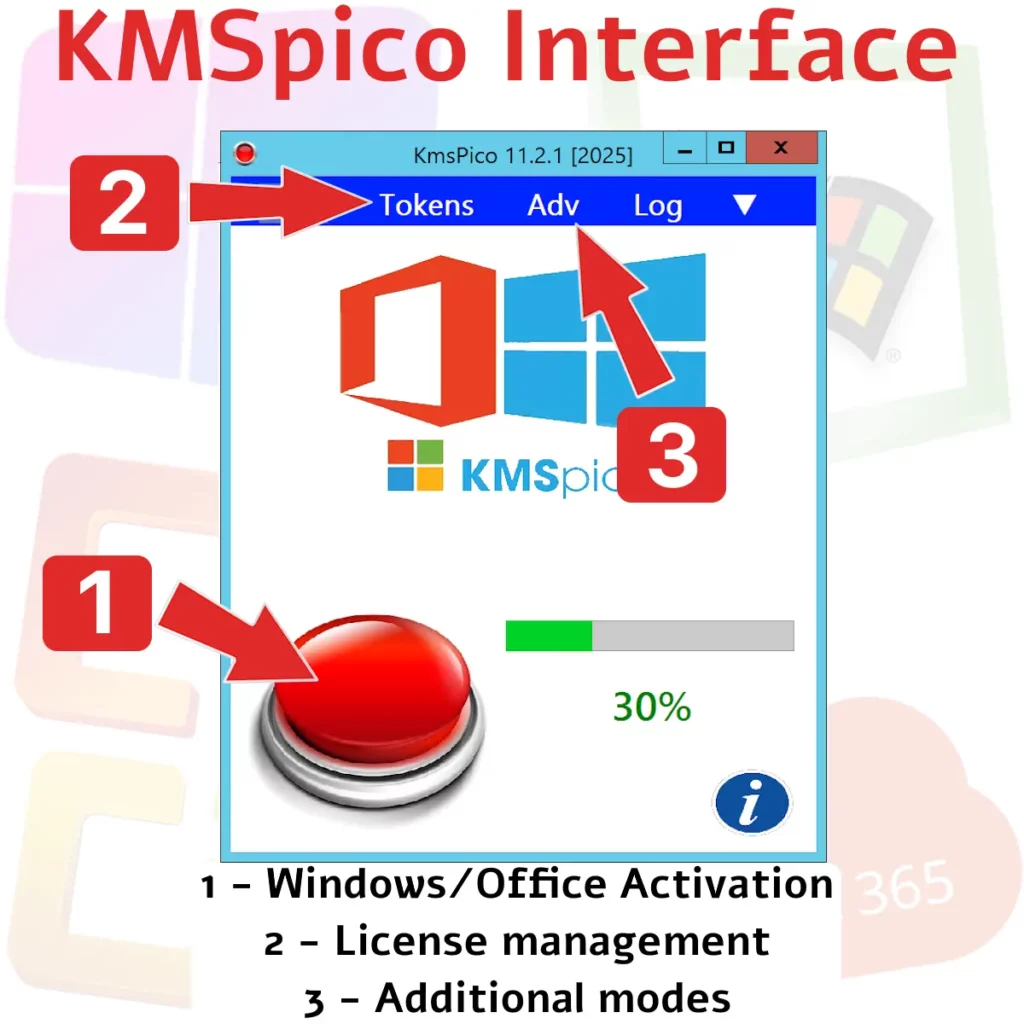
User responses to this registration prompt can vary widely. Some may ignore it entirely, treating it as a minor visual nuisance. Others might search for solutions online, stumbling across various tools such as kms activator office 2019 or download kmspico, trying to bypass the activation requirement without official licensing. The availability of such tools reflects a demand driven by either financial constraints or a lack of awareness about the risks involved in using unauthorized software.
In forums and tech communities, discussions about how to deal with the activate windows watermark are frequent. Some users share tips and tricks for temporary fixes, while others warn about potential malware threats associated with unofficial methods. This community-driven dialogue highlights both the ingenuity and risk-taking behavior of users who seek quick solutions.
Technical Implications of Ignoring Activation
Ignoring the activate windows watermark can lead to functionality limitations. For instance, personalization options are restricted, affecting the aesthetic experience of Windows. Moreover, frequent OS notifications remind users about pending activation. These constraints encourage compliance through genuine activation methods. Additionally, ignoring these reminders can result in more than just cosmetic limitations; security updates and critical patches might also be withheld until proper activation occurs.
Popular Methods Users Attempt for Activation
Faced with license alerts, users often seek alternative activation techniques. Tools like download activator windows 10 claim to remove watermarks without official channels. Others might use kmspico password tools or look towards solutions like windows 7 activator for older systems, risking malware exposure in the process. Such methods pose significant risks not only because they violate terms of service but also due to potential security vulnerabilities introduced by third-party software.
Legitimate Activation Solutions
To resolve these issues safely, users should consider using genuine products and commands. For instance, using the DISM command line tool can assist in checking system integrity and preparing for activation processes legitimately. By doing so, users can ensure system stability and security. Legitimate solutions often involve contacting IT support or purchasing a valid product key directly from Microsoft or authorized resellers.
Additionally, larger organizations benefit from volume licensing agreements that simplify management across multiple devices. These agreements help streamline activation processes and reduce administrative overhead associated with individual license management.
The Role of IT Departments in Managing Activations
IT departments play a critical role in managing software licenses within organizations. They must ensure that each device is appropriately activated to prevent disruptions from desktop reminders like the activate windows watermark. Effective license management strategies include regular audits and inventory checks to track software usage and compliance.
Impact on Organizational Workflows
The presence of such watermarks can disrupt employee focus and productivity. Regular system messages act as distractions, urging users to seek unsanctioned tools like kmspico office 2016 instead of reaching out for IT support. In environments where focus and efficiency are paramount, even small interruptions can lead to significant delays or errors in tasks.
IT departments must also educate employees about the importance of software compliance and the risks associated with unauthorized tools. Training sessions and informational resources can empower staff to make informed decisions regarding software use and compliance.
Preventive Measures Against Persistent Watermarks
- Comprehensive Audits: Regularly auditing systems helps ensure all devices comply with licensing requirements. This proactive approach prevents issues before they arise by identifying non-compliance early on.
- User Education: Educating staff about risks associated with unauthorized tools like kms tools or download kmspico helps prevent potential security breaches. Knowledgeable employees are less likely to resort to risky shortcuts when they understand potential consequences.
- Robust Licensing Protocols: Implementing strong licensing protocols ensures smooth operation without constant reminders from an activate windows watermark. Efficient protocols streamline activation processes and reduce administrative burden on IT staff.
Testing Environments Without Interruption from Activate Windows Watermark
In controlled lab environments where testing occurs under constraints like VM 2 vCPU / 4 GB RAM setups, avoiding disruptions by maintaining valid licenses is vital. Engineers should snapshot configurations timely to evade unnecessary system messages during critical testing phases. By ensuring test environments remain compliant, organizations can focus on innovation without being sidetracked by avoidable technical issues.
Tackling Common Misconceptions About Activation
A common misconception among some users is that bypassing activation provides them with free access without consequences—this is far from true. Not only do unauthorized methods expose systems to potential threats, but they also often fail when updates are rolled out by Microsoft designed specifically to counter such circumventions.
An activated Windows environment benefits from enhanced security measures directly supported by Microsoft’s regular updates and patches that close vulnerabilities exploiters might use against unlicensed versions.
The Psychological Impact of Persistent Reminders Like Activate Windows Watermark
The continual presence of an activate windows watermark has subtle psychological effects on users over time; it acts as an incessant reminder that something crucial remains unaddressed within their operating system setup.
This ongoing reminder could lead some individuals into feeling frustrated or anxious about their device’s performance—prompting them towards seeking dubious quick fixes rather than addressing root causes through legitimate channels offered by certified providers like Microsoft itself!
Conclusion: Toward a Seamless User Experience Without Activate Windows Watermark
The persistence of the activate windows watermark reflects broader patterns of user behavior regarding software compliance. While it serves as a simple visual cue for individuals and organizations alike to maintain proper licensing practices, it also highlights challenges in balancing usability with compliance requirements.
A proactive approach involving education and legitimate activation solutions can mitigate risks while enhancing overall user experience and reducing unnecessary distractions from license alerts on desktops globally. By fostering an environment where compliance is straightforward and well-supported, both individual users and organizations can enjoy uninterrupted access to all features offered by their operating systems.